
Coverstar
Coverstar Complete Control Switch Assembly, A0605MPN A0605
$22499
In stock

New customer? Create an account
Sign in to track an order, view past orders, start a return, and save the equipment you own so every part you see already fits it.
Parts for a Coverstar automatic pool cover: PowerFlex rope in lengths from 80 up to 150 ft, sealed motors, control switches and touchscreen controllers, walk on lid brackets and trays, guide feeds, sliders, pulley endcaps, leading edge inserts, torque limiters and track shims. Most calls about an automatic cover end at the rope, because it is the part that moves, rubs and carries the load every single time the cover runs.


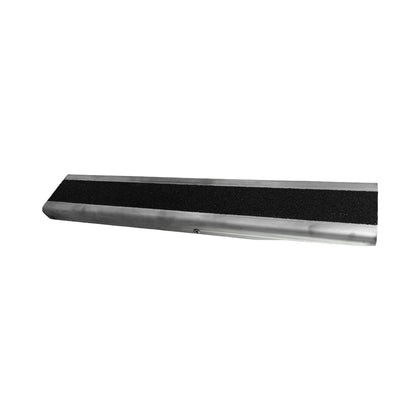
Sixty six Coverstar parts spanning the series you will see cast or printed on the mechanism: CS1800 and CS3000, Eclipse, and the 403 and 801 under guide systems, plus the UG retro fittings. Stainless hardware for walk on lids in several bracket lengths and extension kits.
The cover itself, the pumps that pull water off it and the rest of the winter kit are in pool covers.
Which part of an automatic cover usually fails first?
The rope, by a wide margin, and it fails from wear rather than from a fault. It is under load every time the cover opens and closes, it turns round pulleys at both ends, and it drags through guides packed with grit that has blown off the deck. So it stretches, then it frays, then it parts, usually at a pulley or where the tab is crimped. Ropes here are sold by length with the semi rigid tab already fitted, which is the end that pulls the leading edge.
How do I know what length rope to order?
Measure the cover's travel and buy the length that covers it, not the length of the pool. The rope runs from the mechanism, down the full length of the track, round the pulley at the far end and back, so the run is roughly twice the distance the cover moves plus what is wrapped at the drum. Lengths on this page step from 80 ft up to 150. If the old rope is still in one piece, measure that: it is the only number you can trust, and it is why it is worth pulling the broken one out in one go rather than in bits.
Which Coverstar series do I have?
It is stamped or printed on the mechanism, not on the cover. The names to look for are CS1800 and CS3000, Eclipse, and the 403 or 801 under guide systems, and the parts on this page say which of those they fit. Look on the drive housing at the end of the mechanism, and on the track sections themselves for the under guide parts. Photograph it with the lid off before you order, because brackets, sliders and guide feeds differ between them and they are not interchangeable.
Motor, or the thing the motor drives?
Test before you buy, because a motor is the expensive guess. A cover that hums but does not move, or moves and then stops partway, is usually not the motor: it is a rope that has jumped a pulley, a slider binding in a track full of grit, or a torque limiter doing its job on an obstruction. A cover that is silent and dead is more likely the motor, the control switch or the wiring to it. Clear the track and check the rope path first, and you will often find the motor was never the problem.