
Hayward
Hayward Paralevel Startup Kit, 004-760-2921-00MPN 004-760-2921-00
$5799
In stock

New customer? Create an account
Sign in to track an order, view past orders, start a return, and save the equipment you own so every part you see already fits it.
An automatic water leveler tops the pool up so it never drops below the skimmer, which is the point: a pool run low starves the pump and a dry pump can cost a seal or worse. Two designs are on this page. A float valve is mechanical and works like a cistern, and three of ours use a Fluidmaster valve to do it. An electronic version senses the level and opens a solenoid, which costs more and suits a deck mounted install where a float has nowhere to sit.


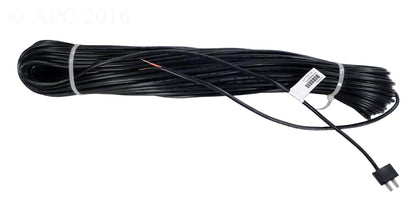


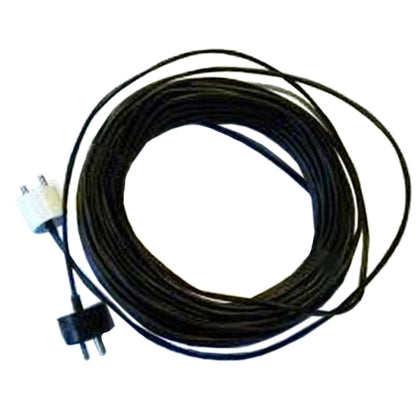


Automatic levelers, float valves, level sensors and solenoid assemblies from Pentair, Jandy, Poolmiser, Hayward, S.R. Smith, CMP and Paramount, in plastic and brass. Some install into the skimmer, some onto a static pipe, and some sit flush with the deck.
Replacement valves and floats for Jandy Levolor and Pentair autofill units are here too, with the system each one fits named on the product.
A skimmer mounted leveler shares its housing with the skimmer, and the supply line to any of them is built from plumbing fittings.
Why bother, when I can top it up with a hose?
Because the failure is not gradual. A pool drops through evaporation and splash out faster than people expect in summer, and the moment the level falls below the mouth of the skimmer the pump starts drawing air instead of water. That loses prime, runs the seal dry and can overheat the wet end, and it happens quietly while you are away. A leveler is a cheap piece of equipment protecting an expensive one, which is the same argument as a float switch on a sump.
Float valve or electronic?
A float is mechanical, needs no power, and is the simpler and more reliable of the two: a float rises, a valve closes, and there is nothing to fail electrically. It does need somewhere to sit at water level, usually in the skimmer or in its own small housing. An electronic leveler senses the level and opens a solenoid, so the sensing and the filling can be in different places, which is what makes a flush deck mounted install possible. Buy the float unless the layout rules it out.
Where does it install?
Three places on this shelf and the product says which. In the skimmer is the least work, since there is already water at the right level and a hole into the plumbing. On a static pipe is a separate small standpipe plumbed alongside, which keeps the skimmer clear and suits a pool where the skimmer is busy. Flush with the deck is the tidiest and the most involved, because the housing is set into the concrete. All three need a water supply run to them, which is usually the part people forget to price.
Will it hide a leak?
Yes, and that is the one real drawback. A leveler quietly replaces whatever the pool loses, so a slow leak that would have announced itself as a falling water line simply becomes a water bill. If you fit one, it is worth knowing roughly how often it runs, and worth a bucket test once a season with the leveler shut off. A pool that suddenly needs much more topping up than last year is telling you something even when the level never moves.