
 Hayward H-Series Blower Vacuum Switch, IDXLBVS1930 In stock$7999

Hayward H-Series Blower Vacuum Switch, IDXLBVS1930
30 day returns · Easy, with prepaid labels provided
Quick overview
- Genuine Hayward Factory part IDXLBVS1930 for the H-Series line.
- A proving switch The vacuum switch confirms the blower is actually pulling air before the heater is allowed to fire.
- Safety interlock If the switch does not close, the sequence stops rather than lighting a burner with no airflow.
- A common no fire fault A heater that runs its blower then locks out without igniting often traces back to this switch or its tubing.
- Check the hose first A cracked, kinked or soot blocked sensing hose produces the same symptom as a failed switch and costs nothing to inspect.
- Direct replacement Swaps for the original switch on the heater it was fitted to.

Need a hand?
Frequently bought together

H-Series Blower Vacuum Switch, IDXLBVS1930


Similar products
Other products people compare with this one.
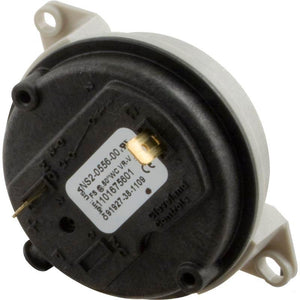 Hayward Blower Vacuum Switch, FDXLBVS1930$4999
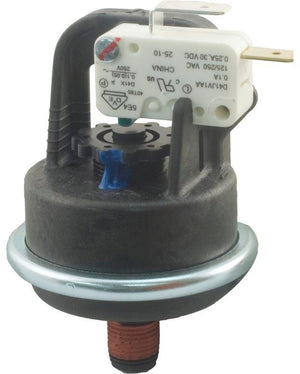 Hayward H-Series Pressure Switch, FDXLWPS1930$5199
 Hayward H-Series Low NOx Indoor Vent Pressure Switch Kit, FDXLVPS1930$7299
 Hayward Polymer Return Manifold, Universal H-Series and Low NOx FD Series Heaters, FDXLPRM1930$8499
 Hayward Air Pressure Switch, Low NOx, After 09/04, IDXL2VPS1930$10299
 Hayward CPVC Flange Pipe Nipples for H-Series, HAXNIP1930$6499
 Hayward H-Series Low NOx Air Side Gasket Kit, FDXLGSK1930$9499
 Hayward Thermostat Kit, H-Series/Induced Draft, with Knob, HAXTST1930$9599
 Hayward H-Series By-Pass Kit, New Style, HAXBPK1932$8599
 Hayward Water Pressure Switch Assembly, HAXPSA1930$9299
 Hayward 135F Hi-Limit, H-Series, HAXHLI1930$5799
 Hayward H-Series Low NOx Bypass Cartridge Kit, FDXLBPK1930$5799
 Hayward H Series Pilot Tube Kit, HAXTRK1930$4299
 Hayward H-Series Liquid Propane Burner Orifice Kit, FDXLBOP1930$5999
 Hayward H-Series and Induced Draft LED Kit, HAXLDK1930$9299
 Hayward Field Wiring Panel Kit, FD, FDXLFWP1930$9799
 Hayward Thermistor, FD, FDXLTER1930$5899
 Hayward High Limit Kit, FDXLHLI1930$7699
 Hayward FD Header O-Ring Kit, FDXLFOR1930$4099
 Hayward Temperature Limiter Kit, HAXTLK1930$11899
Product details
Hayward IDXLBVS1930 is the blower vacuum switch for H-Series pool heaters. It is the genuine Hayward part.
What it is for
Before an H-Series heater lights, the combustion blower has to be moving air. The vacuum switch is what proves it. It senses the suction the blower produces and closes a contact; only then does the control carry on to ignition. If it never closes, the heater stops there rather than putting gas to a burner with no airflow, which is exactly what the interlock is for.
Diagnosing it
The classic symptom is a heater that starts up, runs its blower and then locks out without firing. Before condemning the switch, check the small sensing hose between it and the blower housing for cracks, kinks or soot, and confirm the blower wheel spins freely. Those faults look identical from the control panel, and both are cheaper to fix.
| Brand | Hayward |
|---|---|
| Manufacturer part number | IDXLBVS1930 |
| UPC | 610377625937 |
| Type | Blower vacuum switch |
| Series | H-Series |
| Shipping weight | 0.2 lb |
| Ships | Parcel |
Request a quote
Need a volume price, a freight quote, or pricing in writing before you order? We reply the same business day.
From Hayward

Hayward equipment
 Hayward Super Pump 1 HP Max Rated 115/230V, W3SP2607X10
 Hayward AquaRite Salt System Complete, 40,000 Gallon Pools, W3AQR15
 Hayward TracVac Suction Wall Climbing Pool Cleaner for In-ground Pools up to 40 ft, W3HSCTRACCU
 Hayward Pro-Grid 60 Sqft DE Pool Filter, Valve Not Included, W3DE6020
Genuine Hayward parts
 Hayward TurboCell T-15 Salt Cell for Inground Pools up to 40,000 Gallons, W3T-CELL-15
 Hayward Genuine OEM SP1082 Skimmer Basket, SPX1082CA
 Hayward Genuine OEM Vari-Flo XL Filter Valve Key Cover Handle Assembly, SPX0714BA
 Hayward H-Series Bezel & Keypad Assembly, FDXLBKP1930

Customer reviews
More from Hayward
 Hayward SP0714T Vari-Flo XL 1.5 in. Top Mount Multiport Valve Kit$15899
 Hayward CL200EF In-Line Automatic Pool Chlorinator, 9 lb Chemical Feeder$12999
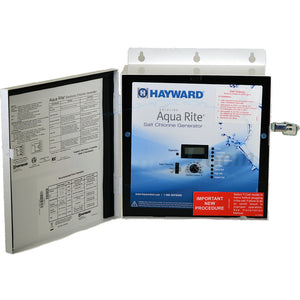 Hayward AquaRite Salt System Power Center (Requires Salt Cell), GLX-CTL-RITE$1,16900
 Hayward Genuine OEM Vari-Flo XL Filter Valve Key Cover Handle Assembly, SPX0714BA$14799
 Hayward Heat Exchanger Assembly for H250FD, FDXLHXA1250$1,10299
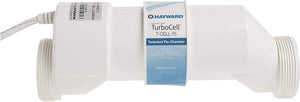 Hayward TurboCell T-15 Salt Cell for Inground Pools up to 40,000 Gallons, W3T-CELL-15$1,13499
 Hayward Paralevel Startup Kit, 004-760-2921-00$5799
 Hayward Main PCB Replacement for Goldline ProLogic Automation and Chlorination After 10/2008, GLX-PCB-PRO$1,07599
 Hayward Auto-Skim Skimmer for Vinyl/Fiberglass Pools, 1.5" FPT, Square Lid, White, SP10841$19299
 Hayward Cover O-Ring for SP0714T Vari-Flo XL Valve, SPX0714L$1899
 Paramount 2-Lamp Kit with Boot and O-Ring for HydraPure and Ultra UV2 Sanitizers, 005422901500$26899
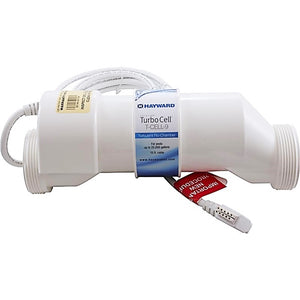 Hayward TurboCell T-9 Salt Cell for Inground Pools up to 25,000 Gallons, Genuine AquaRite Replacement, W3T-CELL-9$89900
Web Price
Hayward TurboCell T-9 Salt Cell for Inground Pools up to 25,000 Gallons, Genuine AquaRite Replacement, W3T-CELL-9$89900
Web Price
 Hayward Vari-Flo 1.5" Side Mount Multiport Valve for Sand Filters, SP0710X62$18899
 Hayward Genuine OEM SP1082 Skimmer Basket, SPX1082CA$2399
 Hayward 1-1/2" Combo Hose Adapter for Filters, Pumps, Skimmers and Chlorine Feeders (2 Pack), SPX1091Z7$1099
 Hayward OEM Key Cover and Handle Assembly for SP740DE, SPX0740BA$19799
 Hayward Genuine OEM SwimClear C200S Filter Cartridge, CX200XRE$20299
 Hayward Pro Logic Retrofit Kit, OmniPL, HLXPROUPG$1,99900
Web Price
Hayward Pro Logic Retrofit Kit, OmniPL, HLXPROUPG$1,99900
Web Price
 Hayward 2" Top Mount Backwash Valve with Clamp, Fits Pro Series Sand Filters S310T / S310T2, SP071620T$26299
 Hayward Natural Gas Valve Kit, FD Series, FDXLGSV0003$41899
Questions and answers
What people ask about this product, answered by our pool techs.
What does a blower vacuum switch do?
Which heaters is it for?
My heater runs the blower then shuts down. Is this the part?
Should I check anything before replacing the switch?
Get your unadvertised price ›